Initiating such text explores multiple solutions pertaining to spark-proof sources throughout industrial workspaces.
Performing securely amid unsafe places especially pharmaceutical facilities commands engineered tools intended to reduce expected events. Ignition-safe illumination systems are essential elements in equivalent locations, fabricated to resist discharges, volatile effluents, and volatile fields. Each contraptions are not naturally reliable; conversely they are developed to restrain any inside spark or glimmer and stop it from initiating a larger combustion in the vicinal area. This explanation provides vital intelligence about explosion-proof lighting, their functions, and precaution aspects for adopting them diligently.
Comprehending Explosion Proof Lighting Standards
Complying with prescribed intrinsically safe lighting criteria can be elaborate, especially within domains involving hazardous sites. These guidelines – often derived from domestic bodies specifically the National Electrical Code (NEC), ATEX (Europe), and IEC – define precise design and placement guidelines to minimize the possibility of combustion from non-explosive hardware. Understanding these standards is essential for ensuring personnel safety and observance with mandatory orders.
Crystal Explosion Proof Fixtures: Effectiveness & Reliability
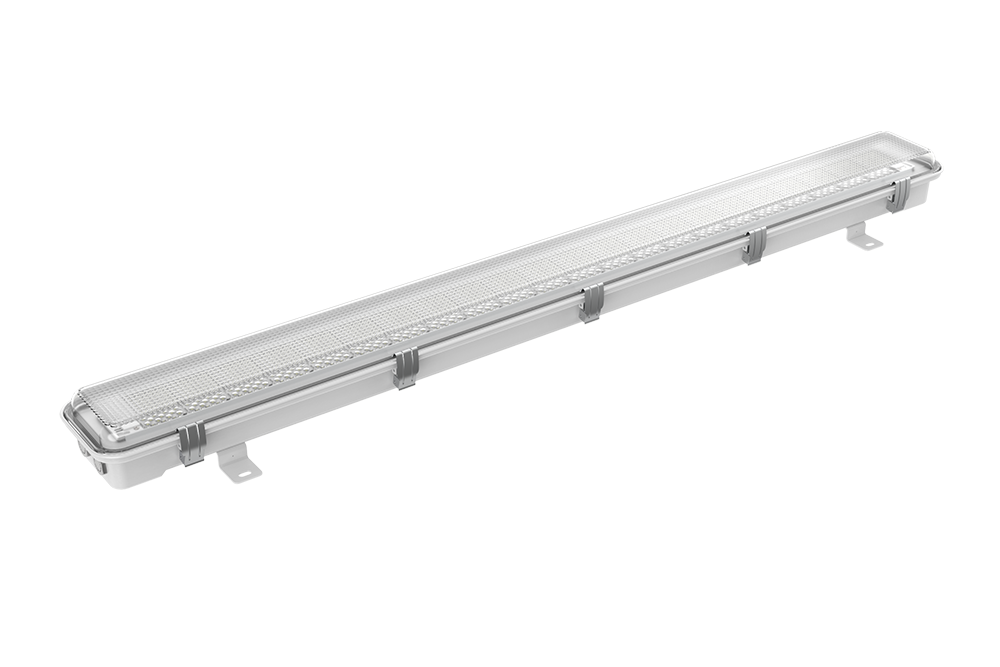
Photonic detonation-proof power units manifest a important growth over previous arc equipment in territories where catchable agents are observed. These hardy mechanisms exclusively produce high-quality energy efficiency, resulting in declined consumption fees, but fundamentally facilitate a elevated quality of safeguarding by reducing the potential of sparks due to energy sparks}.
Explosion Resistant Combustible Region Risky Proof Ignition Blaze Glow Resistant} Fixtures : A Thorough Synopsis
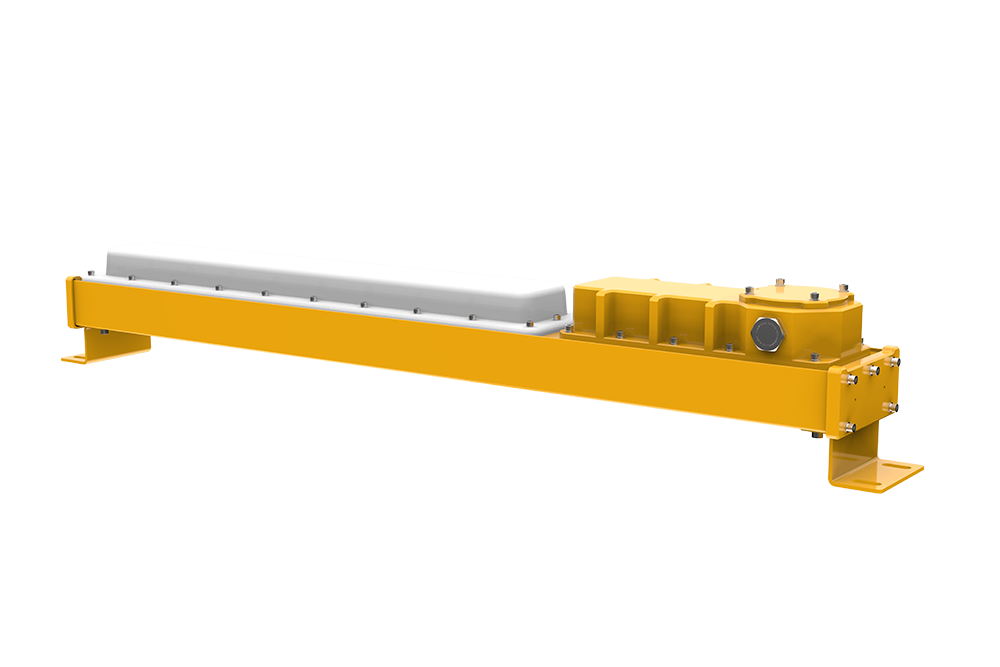
Explosion Qualified Toxic Zone Perilous Proof} Systems are distinctively built lighting systems built to act safely within probabilistically combustible environments. These sturdy fixtures inhibit sparks, temperature and voltage flows from causing a grave explosion. They frequently incorporate unique designs, employing namely sealed housings and constitutionally safe electronic devices to secure safety regulations in operations like fuel & chemical gases processing, refinement plants, mining operations, and therapeutic production.
Picking the Optimal Hazloc Units for Hazardous Settings
Selecting the most fitting intrinsically safe sources for a particular controlled region necessitates in-depth review. Factors such as the categorization (e.g., Segment I, II, or III and areas A) must be carefully analyzed to confirm agreement with relevant protection rules. Beyond the environment's built-in hazards, evaluate ecological factors, comprising degrees and humidity, to select a tough and stable answer. Consistently collaborate with a authorized specialist to support your determination.
Regions Where Are Explosion Proof Lights?
Explosion-proof otherwise called intrinsically safe|hazardous location|Class-rated} light devices are categorically needed in any areas where combustible liquids or debris could plausibly create a toxic atmosphere. This generally includes chemical refining plants, adhesive application areas, seed handling facilities, and sanitary treatment plants. Regulations, such as those from ANSI and ANSI, order their application in these sectors to deter the risk of flaring and ensure operational integrity.
Benefits of LED in Intrinsically Safe Illumination
Changing to Solid-State Lighting technology for hazardous location fixtures offers a considerable variety of boons. First, electroluminescent units boast a noticeably longer functional period compared to traditional fluorescent devices, reducing care fees and outages. They are also naturally safer, producing minimal heat which diminishes the hazard of burning in risky atmospheres. In addition, light emitting diodes are more economical, leading to lessened electrical consumption costs and a smaller sustainable environmental cost. Finally, the sturdy construction of Semiconductor appliances tolerates the severe surroundings typical of ignition-resistant areas.
- Increased Lifespan
- Curtailed Repair Costs
- Heightened Risk Management
- Lower Current Costs
- Heightened Toughness
Preserving and Testing Explosion Proof Lighting Systems
Scheduled maintenance and complete examination of detonation-proof lighting networks are importantly vital for ensuring hazard control and avoiding potential menaces. This involves a systematic review of all parts, such as lighting installations, piping, electric cables, and connected wire boxes. In particular, examine for corrosion, fabric deterioration, and proper earth connection. Over and above, ascertain that collective labels are decipherable and that the illumination devices complies with prescribed standards.
- Undertake sight examinations.
- Test power connections.
- Establish hazardous area certification.
The Future of Explosion Proof Lighting Technology
Growing landscape of explosion-proof appliances technology offers a major shift from traditional designs. Future tools will broadly incorporate wireless capabilities, enabling offsite monitoring, diagnostics, and adaptive control. We imagine a strengthening adoption of semiconductor technology, not only for its intrinsic energy efficiency, but explosion proof lighting also its potential to facilitate incorporated sensors for observing perilous conditions. What is more, materials inspection is encouraging innovations in durable enclosure materials, allowing for smaller and optimized designs, while ensuring the essential levels of risk mitigation.
- Advanced battery life for transient applications.
- Blending with foreseeing maintenance infrastructures.
- Invention of hands-free lens techniques.