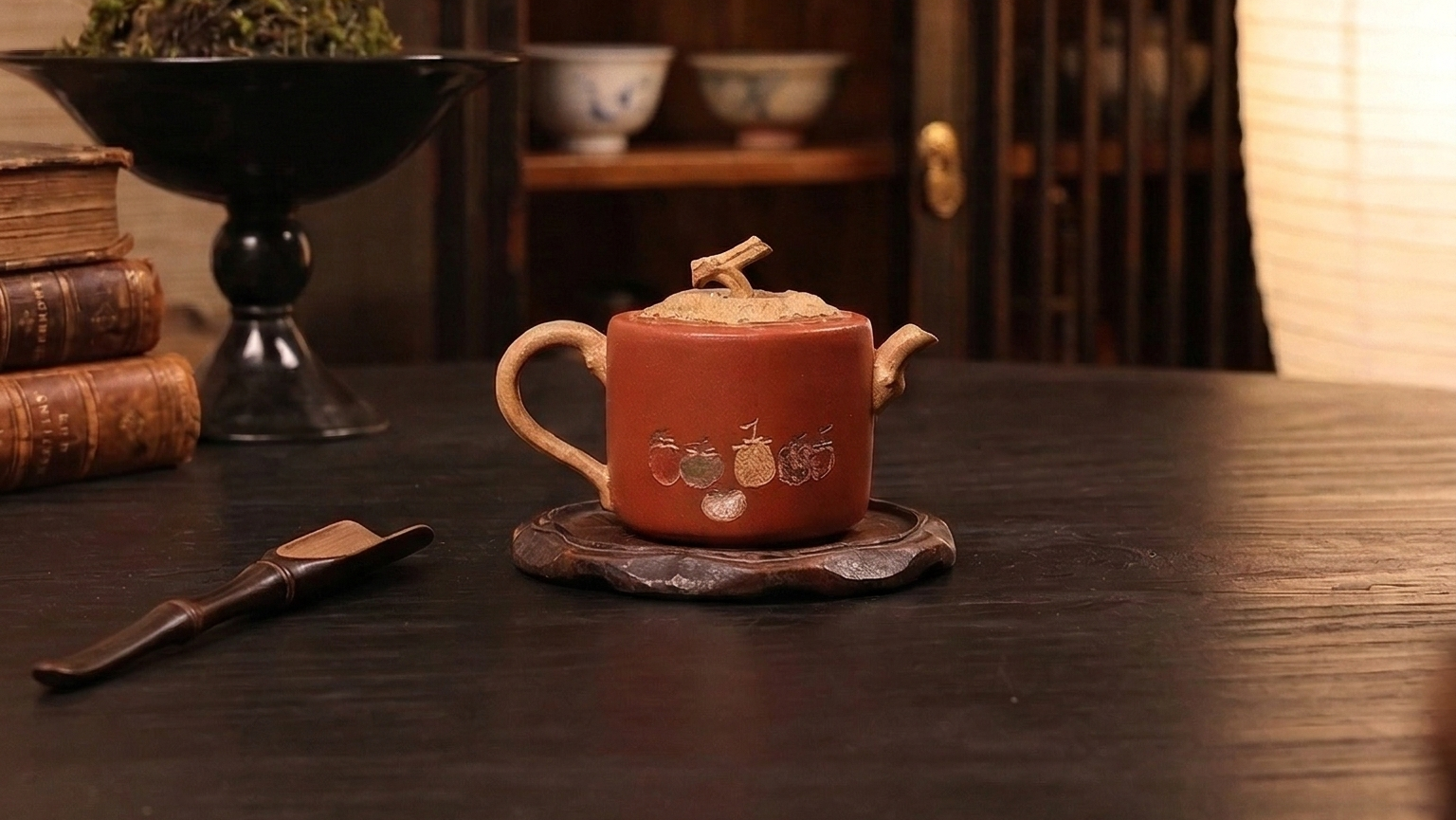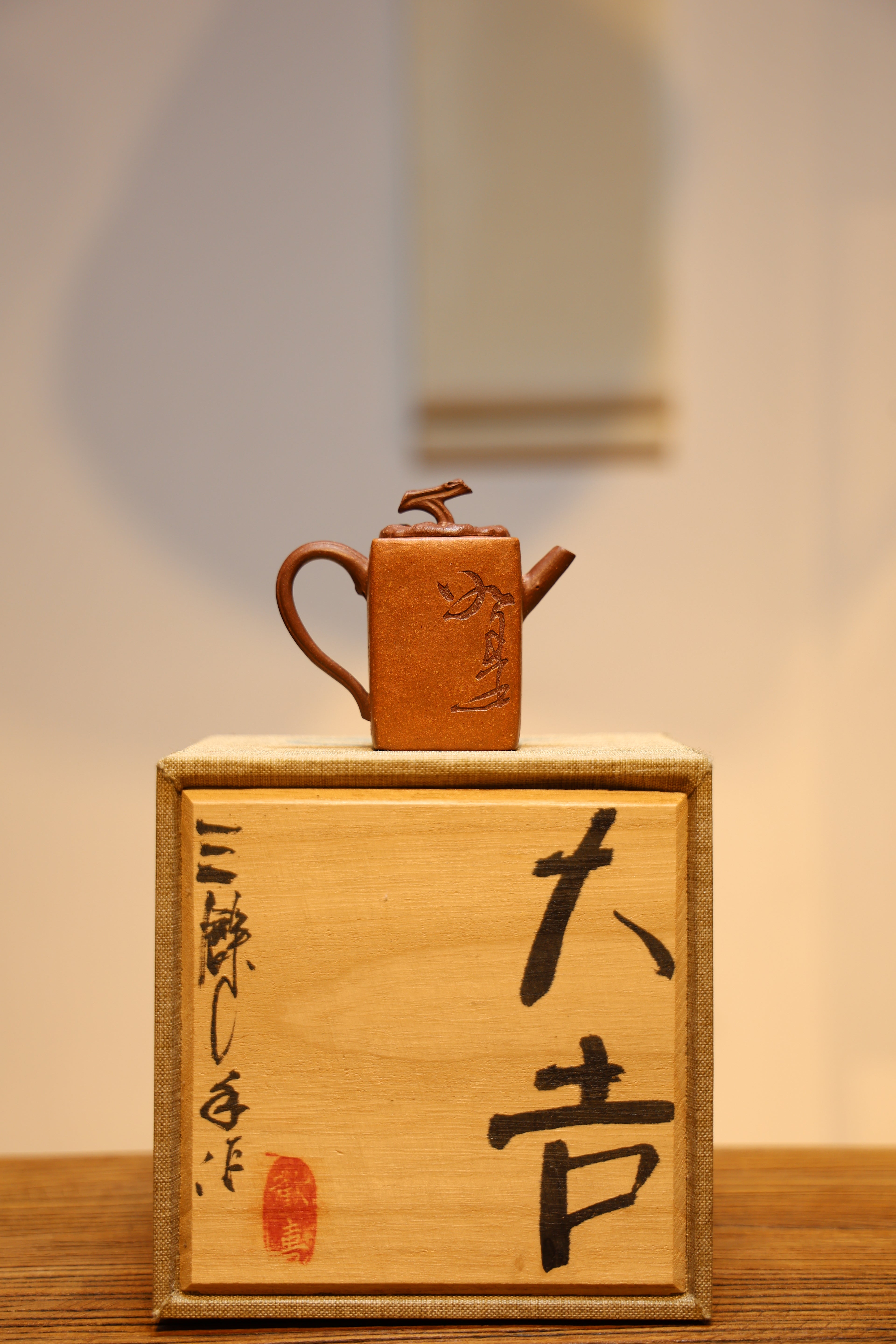
Sustained legacy marks Minjiang jugs for centuries,
Showcasing uncommon hallmarks obtained from local violet earthen materials, those containers acquire a finish amid employment, refining savor liberated from extracted liquids.
Exploring Yixing Dirt: Extensive Insights into Zisha
Multiple devotees value the special grain of Yixing violet clay, a foundation of classic Chinese pottery. Appearing from the Yixing region of Jiangsu province, this valuable clay features an intricate mineral makeup, whereby bestows incredible qualities to the manufactured items. Categories within Zisha, including Jiang Mud, Duan Ni Mud, and Jiang Xi Mud, each features unique colors, structures, and drying traits, modifying the ventilation and the conclusive taste refinement of the elixir.
Oriental Pottery Cultures: Understanding Mastery
Mandarin teapots embody surpassing mere pots for brew; they represent centuries of legacy expertise. From the classic Yixing clay variations, respected for their transpiring nature which conveys unique nuances to the brew, to the fine porcelain from Jingdezhen, each piece unfolds a tale of artistry. The construction process is an intricate operation, often handed over through bloodlines of specialists. These experts use vintage processes such as hand-building, casting on wheels, and detailing, demonstrating profound reverence for the foundation and the discipline itself. Contemplate the labor invested in each piece as a symbol of Chinese stoneware legacy.
- Yixing crocks: a timeless alternative.
- Porcelain teapots: acclaimed as their fragile design.
- Modeling techniques: a demanding yet beneficial procedure.
Yixing Zisha Pot Treatment: Safeguarding Your Adored Belonging
Appropriate tending of your cherished Yixing Zisha kettle is crucial to enhancing its durability. Crafted from distinct purple sand dirt, these first-rate teapots develop a lovely patina after utilization, substantially boosting their allure. Stay away from washers; a mild rinse with moderate temperature hydraulic medium is sufficient. Shun heated water for cleaning the teapot, as it may crack its fabric. Allow it to lose wetness away from direct radiance. Consider flavoring your teapot regularly using fine tea, especially rich varieties. Here is a brief checklist:
- Swill with comfortably warm water.
- Refrain from chemical agents.
- Grant it to lose dampness.
- Prepare with fine tea.
Lineage of Yixing Teapots: From Modest Roots
The narrative of Yixing teapots initiates unassumingly during the Yuan dynasty, roughly the 16th phase. Initially, these articles were not the essenced wares they are considered now. They were formed by homegrown potters using the exclusive purple clay discovered solely in the Yixing vicinity. These early items were chiefly utilitarian, purposed for regular employment and often modest in form. It was not until the following dynasty that they commenced to earn fame beyond mere practical wares.
Choosing the Ideal Traditional Urn: A Elementary Reference
Navigating the universe of Yixing teapots can be challenging, but avoid concern! For novices, the critical factor is understanding the dirt. Original Yixing clay is prized for its ventilation, allowing the teapot to retain the tea's flavor over time, heightening every extracting session. Ponder the design; traditional round shapes prevail, yet tailored preferences are important. Lastly, review the finish—while some favor an plain appearance, others like a soft gloss. Take your time in the choice process—this is an deal in a esteemed piece of pottery.
Purple Clay Pitchers and Their Role on Chinese Drink Lifestyle
Zisha jars, coming from Yixing, China, have profoundly defined customary Chinese drink culture. The Yixing clay teapots, prized for their singular hue, makeup, and exceptional ability to impart a subtle bouquet to the tea, exist as more than mere pots; they are treasured crafts and symbols of status. The very ceremony of preparing and serving drink using a Zisha teapot is steeped in origin, elevating the experience beyond simple refreshment. Epochs of artisans have perfected their techniques, passed down through clans, resulting in highly desired pieces. Accordingly, Zisha teapots are frequently accumulated, playing a crucial part in cultivating local appreciation for aesthetics and the ceremony of beverage ceremonies.
- Peculiar Clay Composition
- Imparting Subtle Flavor
- Exquisite Craftsmanship
Determining Original Valuable Regional Pottery
Securing a genuine Yixing teapot can be a fulfilling experience, but the environment is often filled with frauds. Separating between a verified antique and a present-day reproduction requires detailed inspection. Key hints include the clay's rich brown shade, often displaying marked designs, and the nonexistence of modern roasting imprints. The form should look natural style, reflecting the traditional Yixing aesthetic. Finally, studying the artist's signature is crucial to verify truthfulness against endorsed sources.
- Assess the clay's pattern.
- Look for errors, indicative of handcrafted quality.
- Engage an connoisseur for validation.
Acquiring Chinese Containers: A Informative Primer to Pottery Recognition
The environment of Yixing Zisha pottery provides a special option for shrewd collectors. More and more, the price Yixing Zisha Teapot of these custom artifacts is determined by numerous variables, such as the category of component, the expertise of the artisan, the cultural meaning, and, naturally, the ongoing demand. Starters should emphasize on studying the several kinds of Zisha clay—such as Frozen River, Quiet Jug, and Crimson Soil—and exploring the aspects linked to each. Exact analysis of the container's figure, shade, and stamp is additionally crucial to make informed considerations when investing.